
Tumari Kanuri of Niger
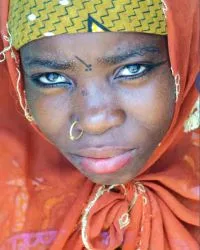
Over four million Kanuri people live in the West African countries of Nigeria, Niger, Chad, and Cameroon. Each of the thirty-four existing Kanuri dialects is distinct. Many have at least a portion of the Scriptures, and some have whole Bibles. The Tumari Kanuri of Niger, however, still need a translation. That is 110,000 souls without God’s Word.
Almost all Kanuri are Sunni Muslims and follow Muslim customs of food and dress; perform ceremonies for circumcision, marriage and burial; and observe holidays such as Muhammad’s birthday, the sacrifice of the ram, and the month of Ramadan. The vast majority of the Kanuri are educated in, and can read, the Quran. But the Tumari Kanuri have no Bible to read.
The Kanuri main occupations are farming, cattle raising, and trade. Craft production and salt processing are also of note. Kanuri people are hospitable and peace loving. The average man loves his tribe and feels his is the best culture and language. He knows nothing of a heavenly home.
Tribal face markings, the use of which is declining, are considered a mark of beauty, social status, and a symbol of pride in heritage. In the era of African slave trade, these markings protected the wearers from capture because it identified them as a member the powerful Kanem-Bornu Empire which was able to exact revenge.
The Lord of Lords wants the Tumari Kanuri to know him and be part of his Kingdom. But they never will unless someone gives them the message of God’s Word.
Spring 2026